If you are selling a home near Bde Maka Ska, buyers are not only judging square footage and finishes. They are also imagining morning walks by the water, time on the patio, and how the home connects to one of Minneapolis’s most recognizable lake settings. When you prepare your property with that full lifestyle in mind, you can create a stronger first impression and a smoother sale. Let’s dive in.
Sell the Bde Maka Ska lifestyle
In West Maka Ska, your home is part of a broader daily experience. Bde Maka Ska Park includes walking and biking paths, beaches, water access, a boat dock, a fishing pier, canoe and kayak access, and sailing lessons, all of which shape how buyers see the area.
That means your sale strategy should go beyond interior updates alone. You want buyers to understand how the home lives, how it feels, and how it connects to the lake, the park, and the outdoor rhythm of the neighborhood.
If your property has lake views, a strong indoor-outdoor connection, or easy access to outdoor living space, those features deserve special attention. In this pocket of Minneapolis, setting and presentation often work together.
Start with exterior readiness
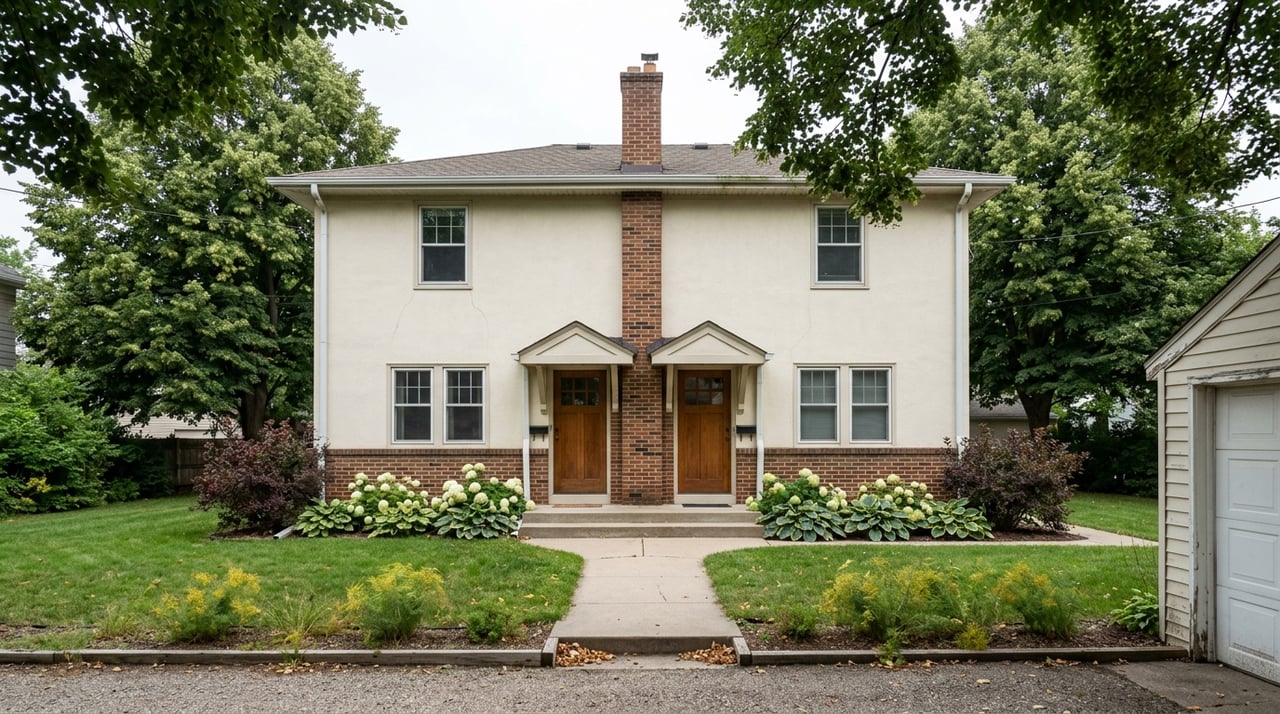
Before photos or showings, make sure the outside of your home looks intentional and well maintained. For a lakes-area property, buyers will notice the yard, approach, deck, patio, and any view corridor almost immediately.
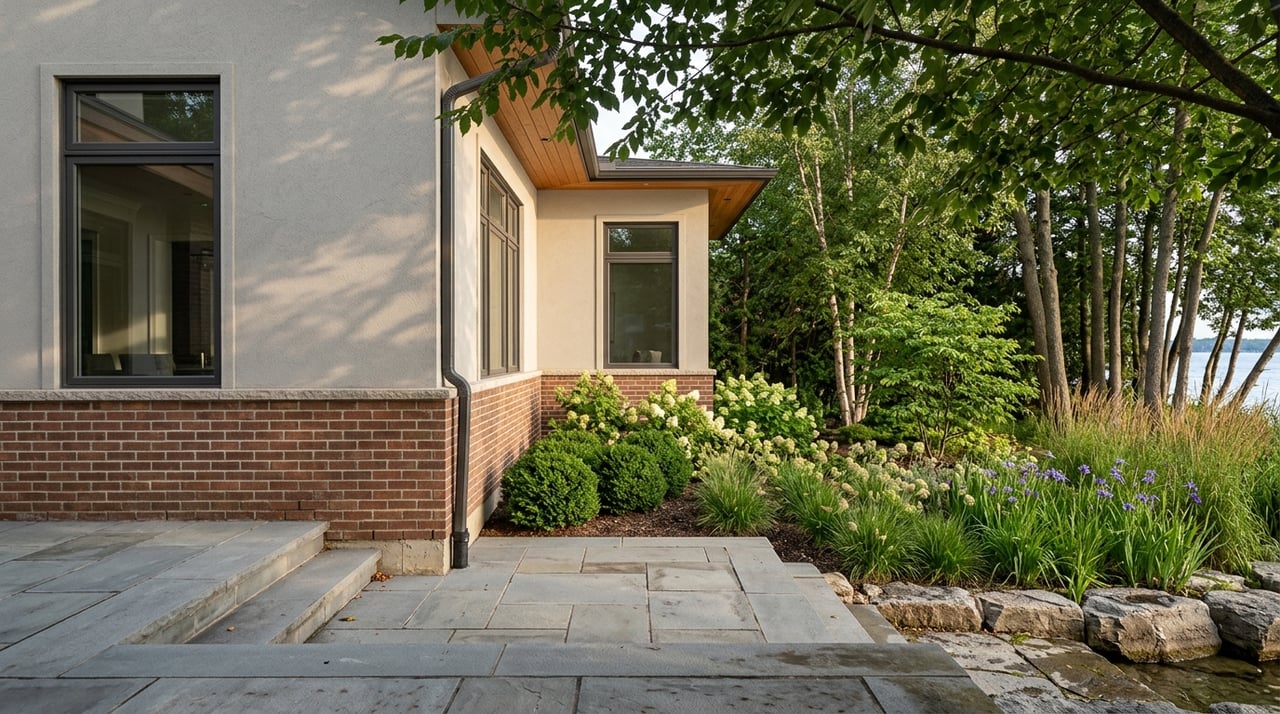
Minnesota DNR guidance also highlights the value of maintaining or restoring natural shoreline vegetation. Natural plantings help hold soil in place, slow runoff, filter nutrients, and can support property value by helping keep lakes clean.
That does not mean your exterior should feel wild or neglected. It means your landscaping should look cared for, functional, and appropriate to the setting, especially if your property includes shoreline features or lake-facing outdoor space.
Focus on what buyers see first
Start with the approach to the home. Clean walkways, trim overgrowth, freshen entry details, and make sure outdoor lighting and hardware are in good working order.
Then look at every area where a buyer might pause. Patios, decks, seating areas, and doors leading outside should feel open, usable, and easy to picture in everyday life.
For homes with lake-facing windows or outdoor entertaining space, trim back anything that blocks key sightlines where appropriate. The goal is to frame the view, not distract from it.
Stage the rooms that support the lifestyle
Staging matters because it helps buyers picture themselves in the home. According to the National Association of REALTORS’ 2025 Profile of Home Staging, 83% of buyers’ agents said staging made it easier for buyers to visualize a property as a future home.
That same report found that photos, traditional staging, videos, and virtual tours were highly important to clients. It also found that the living room, primary bedroom, and dining room were the most commonly staged rooms.
For a Minneapolis lakes home, those insights point to a simple priority. Stage the spaces that connect most clearly to the property’s best lifestyle features.
Prioritize these staging zones
- The main room with the best view
- The primary bedroom if it has light, privacy, or a lake-facing orientation
- The dining area if it supports entertaining
- The indoor-outdoor transition point, such as French doors, a sunroom, or a walkout
- The patio or deck, especially if it helps buyers imagine summer use
Keep styling clean and calm. A lakes-area home often shows best when furnishings feel scaled correctly, surfaces are uncluttered, and the eye can move easily toward windows, greenery, and outdoor space.
Use photography that captures season and setting
Professional listing production is especially important in a visually driven market like West Maka Ska. Buyers often decide whether a property is worth seeing in person based on the first set of images.
Staging and photography work best together. Once the home is prepared, the next goal is to capture the spaces that define the property, especially any room or exterior area that reflects the lake lifestyle.
The best photo and showing window is often when the grounds are in leaf and shoreline planting is visible. In a setting where outdoor beauty is part of the value, timing can shape how strongly the home lands online and in person.
What your photo plan should highlight
- Front exterior with clean, readable landscaping
- Main living space with natural light and view lines
- Primary suite if it feels especially peaceful or bright
- Dining or entertaining areas
- Deck, patio, or outdoor lounge space
- Any meaningful connection to the lake setting
Video and virtual tours can also help support a polished presentation. For many buyers, especially those comparing several homes quickly, strong visuals make your property easier to remember.
Check shoreland and exterior improvements early
If your property includes shoreline-related features or exterior structures, confirm their status before you list. Minnesota DNR says shoreland regulations are administered through local governments, and Minneapolis has a Shoreland Overlay District intended to preserve and enhance the environmental qualities and natural and economic values of shoreland areas.
The city code also adds extra restrictions for development on bluffs or near the top of bluffs. That makes it especially important to understand what is allowed and what documentation you have for prior work.
This is not just a paperwork exercise. Buyers may ask direct questions about compliance, maintenance, and whether improvements were installed lawfully.
Exterior items to review before listing
- Decks and patios
- Docks and water access features
- Shoreline stairs or lift systems
- Retaining walls
- Grading or drainage work
- Recent landscaping or vegetation removal
Many docks, floating or temporary structures, watercraft lifts, and mooring facilities may not need a DNR public waters work permit if they meet certain conditions and comply with local zoning. At the same time, stairways, landings, and lift systems generally require local permits.
A practical step is to gather any permits, contractor invoices, plans, and warranty information now. That way, if a buyer asks about exterior work, you are ready with clear answers.
Get disclosures and inspection items organized
A standout sale is not only about presentation. It is also about reducing friction once an offer comes in.
Minnesota law requires a written seller disclosure before signing an agreement to sell or transfer residential real property. The disclosure must cover material facts that could adversely and significantly affect a buyer’s use and enjoyment of the property.
The Minnesota Attorney General also notes that some cities require a truth-in-housing or code-compliance report. Before listing, confirm whether any local inspection report applies to your property.
Key documents to prepare early
- Seller disclosure materials
- Any city-required inspection or code-compliance documents, if applicable
- Permit records for recent work
- Contractor invoices and warranties
- Maintenance records for major systems
When you organize these items in advance, you reduce delays and make the transaction feel more manageable for everyone involved.
Plan ahead for radon and older-home questions
Minnesota sellers should pay close attention to radon. The Minnesota Department of Health says elevated radon is found in about 40% of Minnesota homes, and state law requires sellers to disclose known radon information and provide the state’s radon real estate brochure.
Testing is not required to sell, but the Department of Health recommends it, especially in real estate transactions. If you already have test results or a mitigation system, have that information ready.
If your home was built before 1978, lead-based paint rules may also apply. Federal law requires disclosure of known lead-based paint and lead-based paint hazards before sale, along with the required pamphlet, and buyers receive a 10-day period to test for lead-based paint hazards.
Older Minneapolis housing stock often brings these questions into play, so it helps to address them early rather than react under contract.
Think like a buyer touring West Maka Ska
When buyers tour a home near Bde Maka Ska, they are usually comparing more than room count. They are noticing how the property fits the setting, whether outdoor spaces feel usable, and whether the home seems well cared for inside and out.
They may also be weighing practical concerns. Is the paperwork organized? Do exterior improvements appear thoughtfully maintained? Does the home feel ready for the next owner, or full of unanswered questions?
That is why the strongest listings usually combine three things: polished presentation, clear documentation, and a compelling sense of place. When those elements line up, buyers can focus on the opportunity instead of the unknowns.
Why a tailored listing strategy matters
West Maka Ska is not a market where a generic listing approach does your home justice. A lakes-area property often needs more than standard prep because the value story includes location, visual presentation, and how well the listing captures the experience of living there.
That is where boutique guidance can make a real difference. With thoughtful staging direction, professional marketing, and a clear plan for handling disclosures and property details, you can bring your home to market in a way that feels polished and credible.
At David K. Wells III Real Estate, that process is personal and hands-on. If you are thinking about selling near Bde Maka Ska, David K Wells III Real Estate can help you prepare your home for the market with the kind of thoughtful strategy and attention that premium Minneapolis properties deserve.
FAQs
How should you prepare a West Maka Ska home for listing photos?
- Focus on the areas that best express the lake lifestyle, including the main room with the best view, the indoor-outdoor transition, and the patio or deck. Clean landscaping, open sightlines, and a polished exterior also matter.
What should sellers check about shoreline improvements in Minneapolis?
- Review items like docks, shoreline stairs, retaining walls, decks, and recent exterior work. Minnesota DNR says shoreland regulations are administered through local governments, so sellers should confirm local zoning and permit requirements.
What disclosures are required when selling a home in Minnesota?
- Minnesota law requires a written seller disclosure covering material facts that could adversely and significantly affect a buyer’s use and enjoyment of the property. Some cities may also require a truth-in-housing or code-compliance report.
Should you test for radon before selling a Minneapolis home?
- Testing is not required for a sale, but the Minnesota Department of Health recommends it, especially during real estate transactions. Sellers must disclose known radon information and provide the required state brochure.
What makes a Bde Maka Ska area home stand out to buyers?
- Strong presentation, quality photos, usable outdoor spaces, and a clear connection to the lake setting can all help. Buyers are often responding to both the home itself and the lifestyle supported by nearby trails, beaches, and water access.