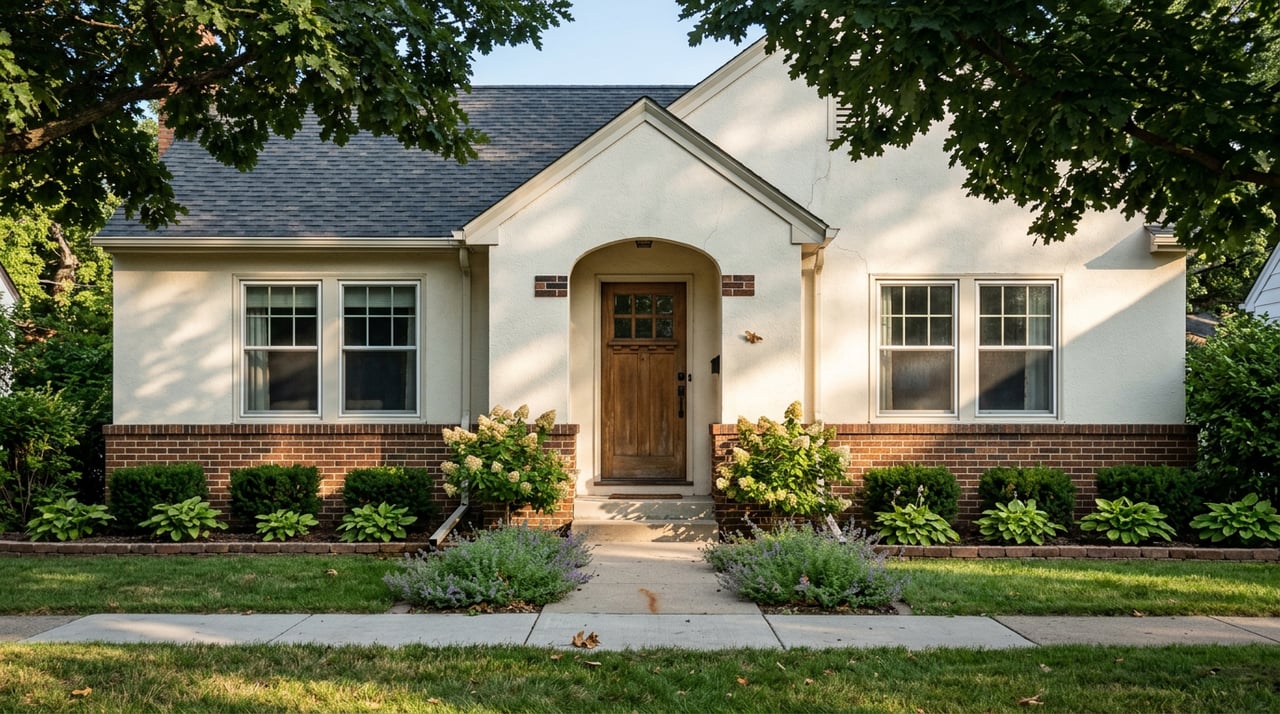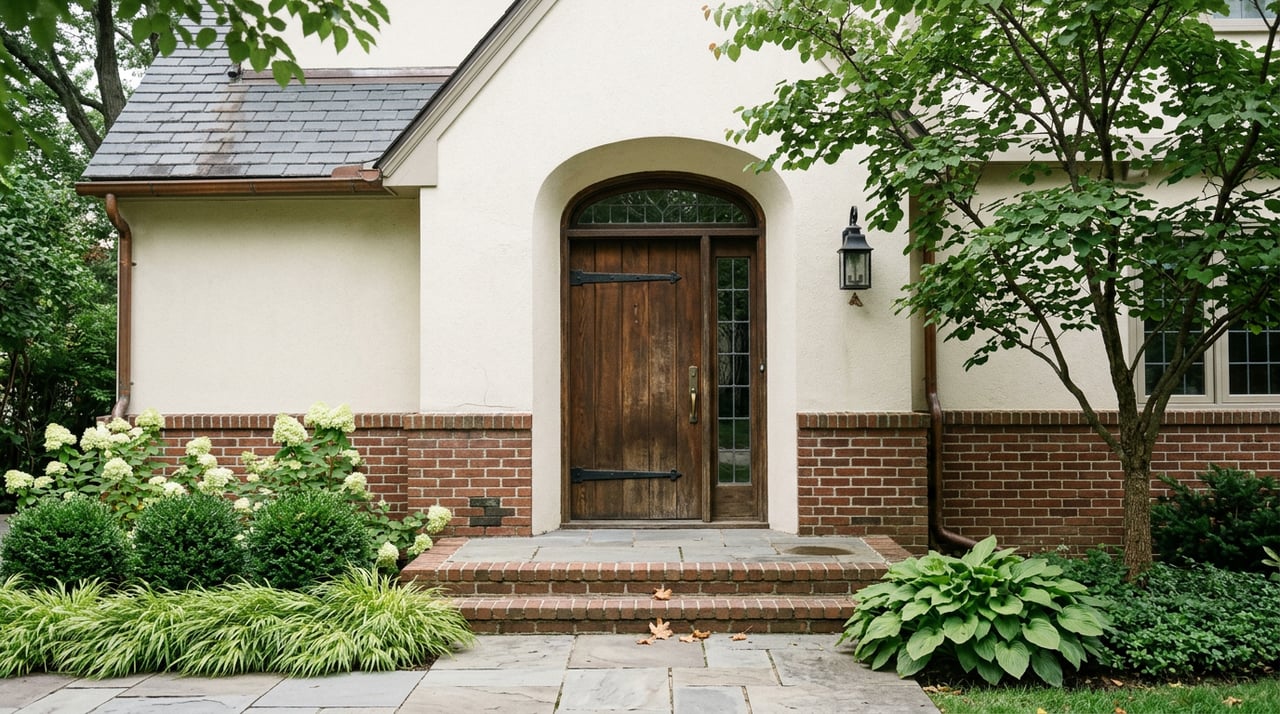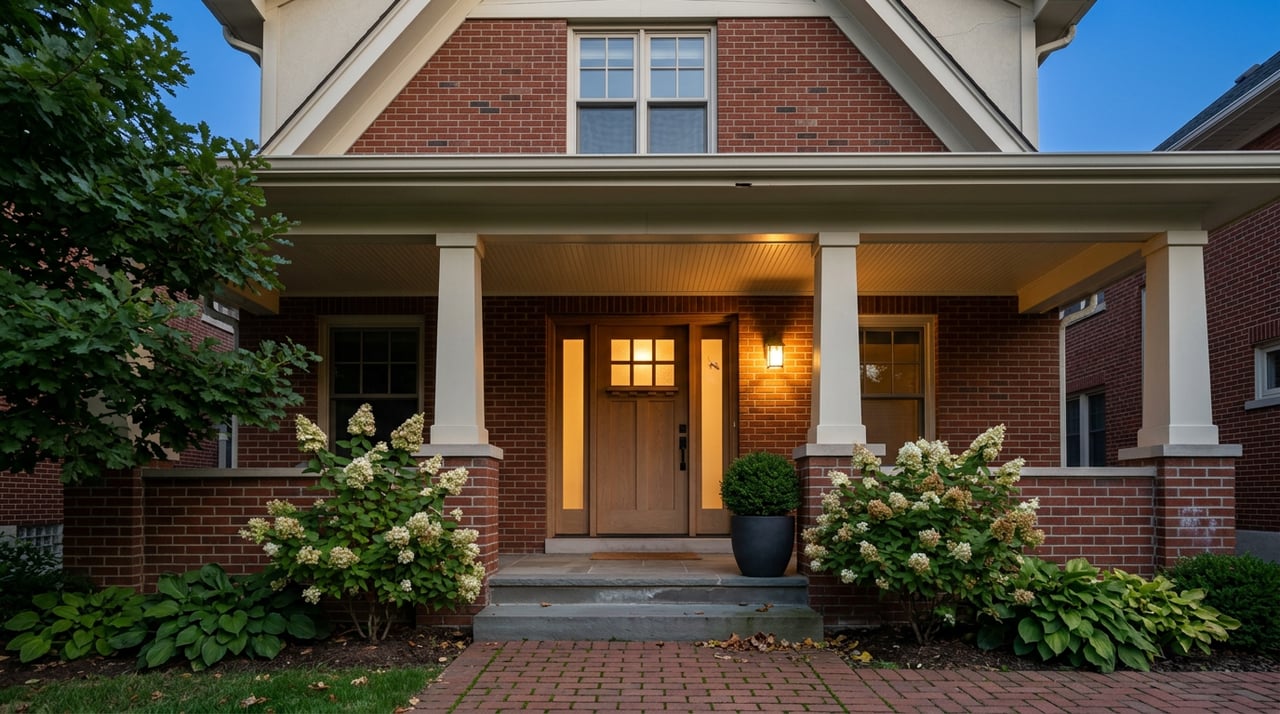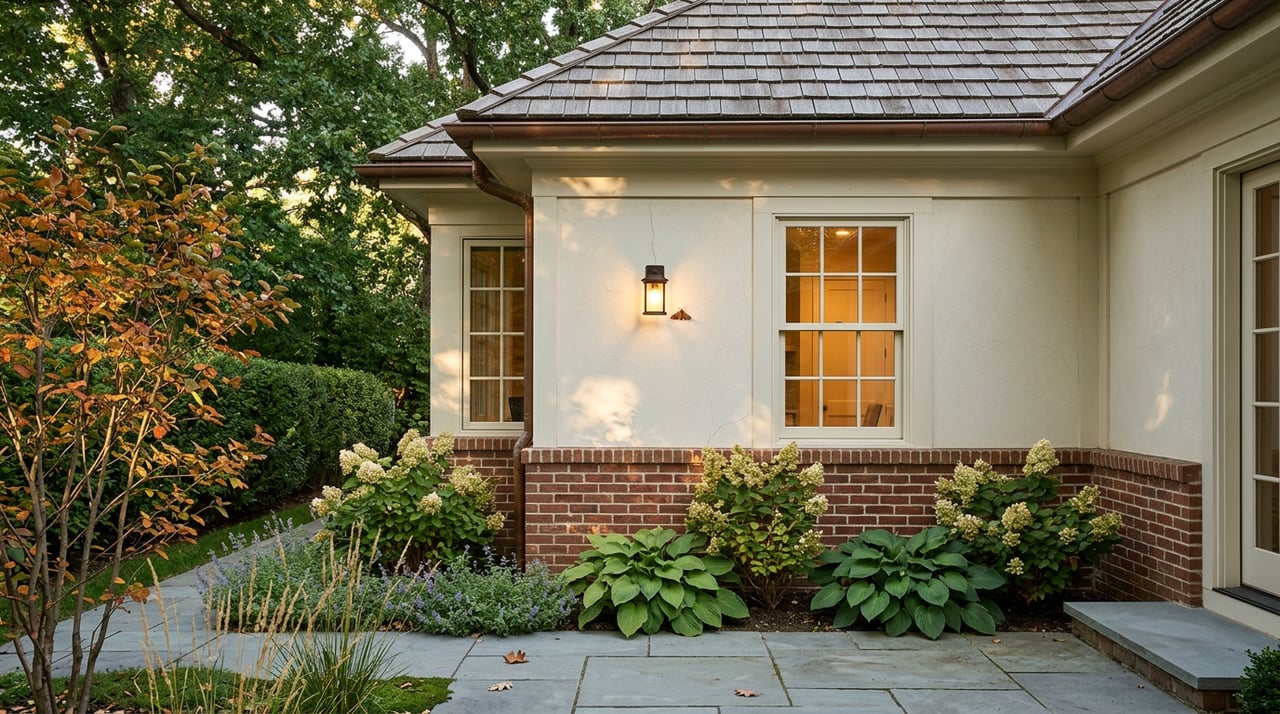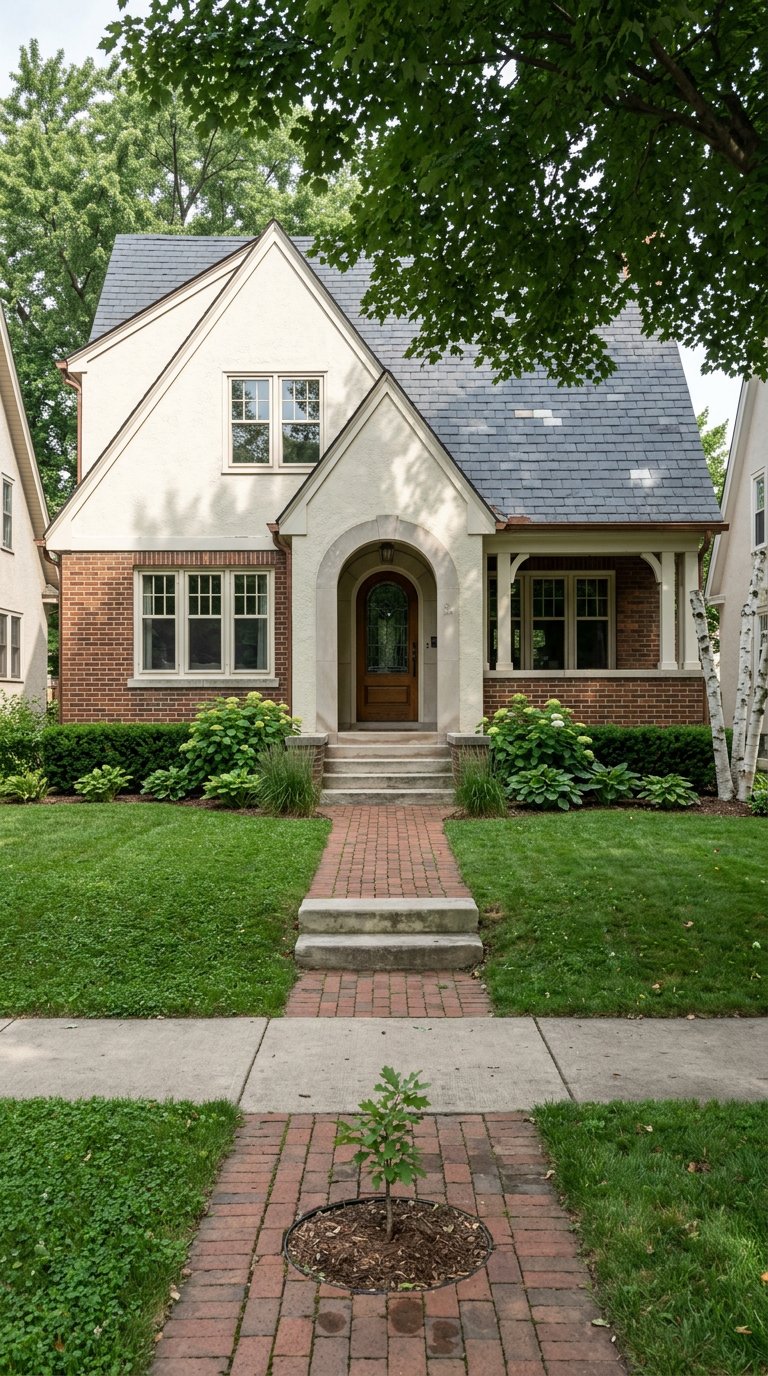
Do you light up when you see a turret, a broad front porch, or a tree-lined boulevard of stately homes? If so, Saint Paul might be your sweet spot. Choosing where to start can feel overwhelming when every block seems to offer a different era of architecture. This guide highlights Saint Paul’s most charming historic neighborhoods, what you’ll notice on the street, nearby anchors, and key ownership tips about preservation rules and costs. Let’s dive in.
Summit Hill and Historic Hill
If you picture grand Victorian and early 20th-century homes, you’re picturing Summit Hill. The area forms the core of the city’s Historic Hill District, which the National Register recognized in 1976, with the adjacent West Summit Avenue district added in 1993. Along Summit Avenue, you’ll find a formal boulevard of large homes with deep setbacks, mature canopy trees, stone and brick foundations, and occasional carriage houses. The scale and continuity are striking, with hundreds of original houses still standing, as documented in the Historic Hill nomination.
Look for standout styles like Queen Anne, Second Empire, Romanesque, and Colonial Revival. Many homes feature generous porches, carved wood trim, steep or slate roofs, and stone chimneys. You’ll also see smaller period duplexes and early apartment buildings on side streets, which add variety without breaking the district’s rhythm.
Anchors to explore include the Minnesota Governor’s Residence and the James J. Hill House, a Gilded Age mansion offering tours through the Minnesota Historical Society. One block south, Grand Avenue delivers cafés, boutiques, and restaurants, which makes this area an easy place to spend a leisurely Saturday.
Crocus Hill and Cathedral Hill
Within Historic Hill, Crocus Hill and Cathedral Hill read as more intimate pockets with a mix of large single-family homes and smaller period houses. As you near the Cathedral of Saint Paul, Cathedral Hill offers skyline views and an elegant Beaux-Arts backdrop. These subareas share the district’s defining features and period styles, documented in the Historic Hill nomination, but on a neighborhood scale that many buyers find comfortable for daily living.
Irvine Park Historic District
For a quieter, close-knit feel, Irvine Park centers on a compact park square with mature trees and Victorian-era homes. Platted in 1849 and listed on the National Register in 1973, the district preserves mid to late 19th-century architecture in Greek Revival, Italianate, and Queen Anne forms, along with carriage houses and intact porches. You can read the area’s origins and character in the Irvine Park nomination.
The Alexander Ramsey House, a preserved Victorian house museum, sits within the district and adds a strong sense of place. You’re also a short stroll from the West Seventh corridor and close to Mississippi River paths, which makes it easy to transition from a park-square walk to river views in minutes.
Macalester-Groveland
Macalester-Groveland, known locally as Mac-Grove, captures the comfort of early 20th-century homes and tree-lined streets. Anchored by Macalester College and Grand Avenue, the neighborhood’s housing stock leans 1915 to 1930, with Craftsman bungalows, American Foursquares, and Tudor Revival homes creating a cozy, varied streetscape. The neighborhood council’s history page offers a helpful overview of its origins and everyday feel (Mac-Grove history).
On the ground, you’ll notice generous front porches, consistent setbacks, and a canopy that reads as one continuous room of green in summer. The Tangletown area introduces curving streets that break Saint Paul’s usual grid, adding charm and surprise to daily walks. Transit is straightforward along Snelling and Grand, and Grand Avenue’s cafés and bakeries mean you’re rarely far from a cup of coffee or a quick lunch.
Dayton’s Bluff and Wicaḣapi (Indian Mounds Park)
Dayton’s Bluff combines layered history with powerful natural edges. The neighborhood has its own local heritage preservation district, and the National Register nomination outlines its mix of Victorian and early 20th-century brick homes along hillside streets with river views. You can review the district’s significance and architectural notes in the Dayton’s Bluff nomination.
Along the bluff, Wicaḣapi (Indian Mounds Park) offers sweeping views and an important cultural landscape anchored by ancient earthworks. The city’s parks page introduces the site’s features and context (Wicaḣapi park information). If you want a neighborhood that feels connected to both river and city, this area delivers that dual identity.
Hamline-Midway
Centrally located and lively, Hamline-Midway mixes early 20th-century homes with a strong neighborhood fabric. You’ll see bungalows, American Foursquares, and some Victorian forms, along with the energy that comes with proximity to Hamline University. The neighborhood’s profile as a classic-homes area near major transit routes is summarized in regional research on the area (Hamline-Midway overview).
If you like period architecture but prefer a less formal streetscape than Summit Avenue, Hamline-Midway can be a smart fit. Daily life is simple, with accessible small businesses and easy bus and light-rail connections along the Central Corridor.
What “historic” means in Saint Paul
In Saint Paul, there is a key distinction between national and local designation. Being listed on the National Register is an honor that recognizes a property’s significance, but it does not by itself restrict private owners except where federal funding or permits are involved. Local Heritage Preservation Districts, administered by the city’s Heritage Preservation Commission (HPC), are the ones that can require design review for many exterior changes. For detailed guidance and current policies, start with the city’s Heritage Preservation page.
When you need design review
Saint Paul’s HPC outlines the types of projects that require Commission review, including demolition of primary structures, new primary infill construction, and additions affecting a primary or front facade. Many routine maintenance items, such as reroofing or in-kind window replacements, may qualify for administrative or staff review if they meet design guidelines. Always confirm details using the city’s current HPC applications and review checklist before planning work.
Tax credits at a glance
Historic rehabilitation tax credits can be a meaningful incentive for the right projects. The federal Historic Rehabilitation Tax Credit offers 20 percent for certified rehabilitations of income-producing historic buildings that follow the Secretary of the Interior’s Standards. Minnesota’s state program aligns with the federal credit and offers an additional 20 percent for qualifying projects. Owner-occupied single-family homes generally do not qualify. Review eligibility, timing, and application steps with the Minnesota State Historic Preservation Office (SHPO incentives overview).
Budgeting for ownership
Older homes often use materials and methods that need specialized care. Window restoration, masonry work, slate or tile roof maintenance, and period trim can cost more than standard repairs. Plan for a contingency in your renovation budget and work with inspectors and contractors who have specific experience with Saint Paul’s vintage housing stock. You’ll set clearer expectations for timelines, costs, and quality of results.
How to start your search smart
Use a simple process to focus on the right properties fast:
- Confirm whether a home is in a local or national district using the city’s historic districts and sites resources.
- Read the relevant National Register nomination to learn a district’s architectural cues. The Historic Hill nomination is a great model for how these documents explain styles and streetscapes.
- Tour nearby anchors to experience scale and atmosphere in person. For example, step inside the James J. Hill House to see Gilded Age craftsmanship up close, then walk Summit Avenue to feel the boulevard setting.
- If you plan exterior changes, review the city’s HPC applications and engage an architect or contractor experienced with local guidelines.
When you are ready to refine your neighborhood short list or weigh preservation considerations, our team can help you evaluate fit, timing, and value with a calm, boutique approach backed by Coldwell Banker reach. If you want thoughtful guidance and targeted previews of architecturally interesting homes across Saint Paul, we would love to connect. Contact David & Wren at David K Wells III Real Estate to discuss your next move.
FAQs
What makes Summit Avenue in Saint Paul unique?
- Summit Avenue offers one of the longest preserved stretches of Victorian and early 20th-century residential architecture, documented in the Historic Hill nomination.
Are exterior changes in Saint Paul historic districts restricted?
- Local Heritage Preservation Districts can require design review; start with the city’s Heritage Preservation page and HPC applications checklist for current rules.
Do owner-occupied homes qualify for Minnesota historic tax credits?
- Generally no; federal and state historic tax credits are designed for income-producing properties that meet program standards.
Where can I see Victorian homes near downtown Saint Paul?
- The Irvine Park Historic District surrounds a tree-shaded square with Greek Revival, Italianate, and Queen Anne homes, plus the Alexander Ramsey House.
What styles of homes are common in Macalester-Groveland?
- You’ll find Craftsman bungalows, American Foursquares, and Tudor Revival homes from roughly 1915 to 1930 along tree-lined streets.
How can I confirm if a property is in a historic district?
- Use the city’s historic districts and sites resources to check designations, then review the relevant National Register nomination for context.