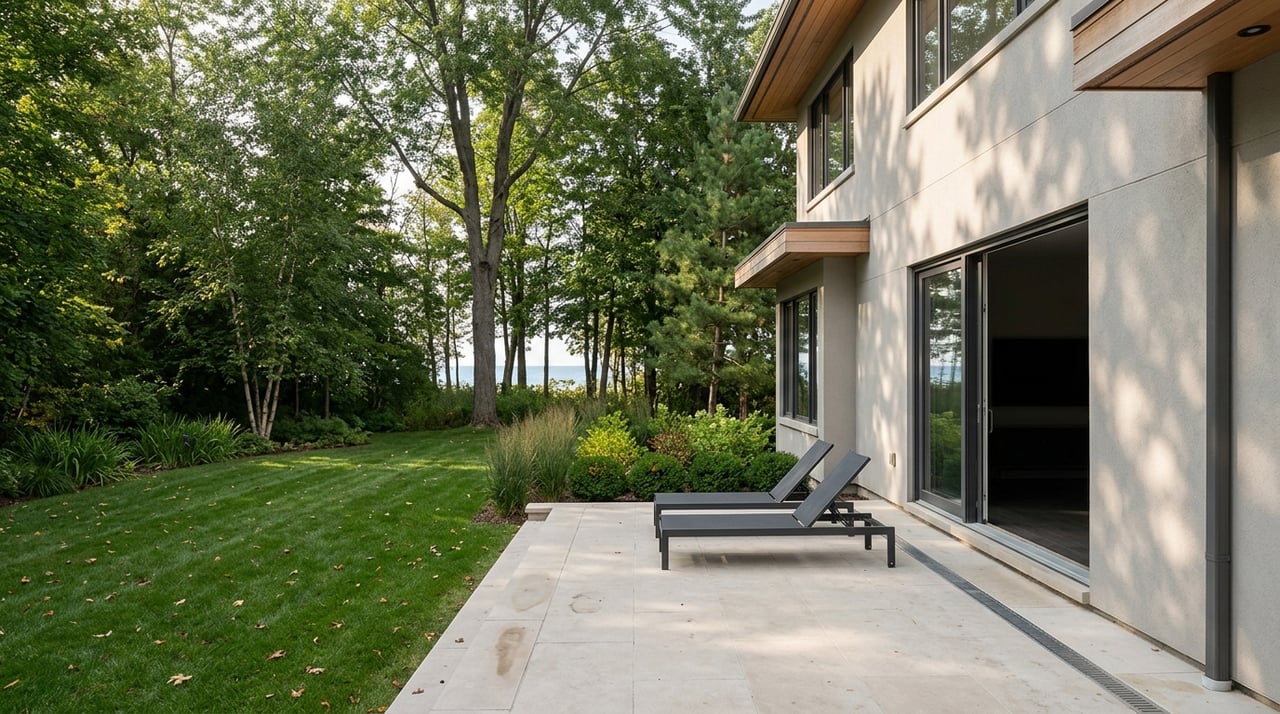
Looking at homes around Bde Maka Ska and the other Minneapolis lakes can feel simple at first. You either want to live on the water or close to it, right? In West Maka Ska, the difference is more meaningful than that, because lakefront and near-lake homes often come with very different prices, daily rhythms, and ownership realities. If you are weighing both options, this guide will help you sort through the tradeoffs with a clear local lens. Let’s dive in.
Why lake living works differently here
The Minneapolis lakes district is shaped by a public park system, not a private shoreline pattern. The Minneapolis Chain of Lakes Regional Park includes Brownie Lake, Cedar Lake, Lake of the Isles, Bde Maka Ska, and Lake Harriet, which means shorelines, trails, beaches, and parkways are part of a broader public landscape.
That matters when you compare lakefront with near-lake living. In many waterfront markets, being on the water means direct control over more of the shoreline experience. Around the Minneapolis lakes, the setting is more shared, more regulated, and more connected to park use.
True lakefront is also limited and highly specific from one block or building to the next. Historic park planning around Lake Harriet, Bde Maka Ska, and Lake of the Isles created different shoreline conditions over time, so not every address near the water offers the same kind of frontage, view, or privacy.
What counts as lakefront vs. near-lake
Lakefront means direct water-edge positioning
In this market, lakefront usually means a home or condo with an immediate position along the lake edge or parkway and a strong visual relationship to the water. That can include direct lake-facing condos, select homes along key parkways, or premium residences with especially open views.
The appeal is obvious. You may get front-row views, easier visual access to the lake, and a day-to-day experience that feels tied to the water in every season.
Near-lake means access without the edge
Near-lake living usually means you are a short walk from the shoreline, trails, beaches, or park amenities without sitting directly on the water’s edge. In West Maka Ska, that can still feel very connected to the lakes lifestyle because the public paths and park system are so accessible.
For many buyers, this is the sweet spot. You can enjoy the same lakes district, often with more options on price, building type, and day-to-day privacy.
The price gap is real
The premium for immediate lake exposure is real, but the range is wide. In March 2026, Minneapolis overall had a median sale price of $355,000, while nearby lakes-area neighborhood data showed notable variation: West Calhoun at $251,000, Cedar-Isles-Dean at $372,000, and East Isles at $630,000.
Nearby zip codes also sat above the citywide median in April 2026, with 55408 at $390,000 and 55416 at $395,000. That tells you the lakes area often commands stronger pricing than the broader Minneapolis market, even before you isolate true lakefront homes.
Specific examples show how broad the spread can be. A lake-facing one-bedroom condo at 3033 E Bde Maka Ska Pkwy #101 had an estimated value of about $301,635 with a $330 monthly HOA, while a one-bedroom condo a few steps from the lake at 3140 W Bde Maka Ska Blvd #115 sold for $160,000 in November 2023 with a $359 monthly HOA.
At the top end, a true lakefront residence at 1805 W Lake St #402 sold for $2.16 million in August 2021 and carried a $1,700 monthly HOA. These are not direct comparisons, but they illustrate an important point: the jump from near-lake to true lakefront can be significant, and the type of property matters just as much as the location label.
West Maka Ska market signals to watch
If you are focused on the west side of Bde Maka Ska, broad neighborhood numbers suggest a more negotiable market than Minneapolis overall. Redfin classified West Calhoun as a buyer’s market, with homes averaging about 3% below list price and taking around 71 days to go pending.
That does not mean every lake-adjacent home is easy to buy. It means details matter. Building quality, exact orientation, view corridor, updates, and HOA structure can all have an outsized effect on value.
For buyers, that creates opportunity. For sellers, it reinforces the value of thoughtful pricing, polished presentation, and a strong understanding of what makes one near-lake or lakefront property stand out from another.
Daily life on the lake edge
Bde Maka Ska is active and public
Bde Maka Ska is one of the most active lakes in the district. The park includes beaches, a boat dock, a fishing pier, walking and biking paths, rentals for canoes, kayaks, bikes, boats, and paddleboards, plus developed-area park hours from 6 a.m. to midnight.
If you live directly on or next to Bde Maka Ska, that energy is part of the package. You get easy access to recreation and a vibrant outdoor setting, but you also live closer to public traffic, parking demand, and event activity.
Near-lake can feel calmer
Just a few blocks off the lake can feel meaningfully different. You may still walk to the trails in minutes, but your home can have less exposure to the busiest edges of the park.
For some buyers, that balance is ideal. You still get the lakes lifestyle without making public activity part of your front-door experience every day.
Every lake has its own feel
Not all Minneapolis lakes live the same way. Lake Harriet is known for beaches, paved trails, a pavilion restaurant, and summer concerts and movies at the bandshell, while Lake of the Isles has a more naturalized shoreline, islands, and no swimming beach.
That variation matters if you are comparing homes beyond West Maka Ska. Some buyers want more activity and programming, while others want a quieter shoreline atmosphere.
Regulations matter more than many buyers expect
One of the biggest differences between lakefront and near-lake living is the regulatory environment. In Minneapolis, properties have primary zoning and built-form districts, and some also fall under overlay rules that can affect what you can change.
The SH Shoreland Overlay District extends to land within 1,000 feet of protected lakes. In that district, development is generally prohibited on steep slopes, within 40 feet of the top of a steep slope or bluff, and within 50 feet of the ordinary high-water mark unless a variance is granted.
In most SH areas, structure height is limited to 2.5 stories or 35 feet, whichever is less. For you as a buyer, this means that future additions, site work, shoreline-adjacent changes, or redevelopment plans may involve added review and less flexibility than expected.
This does not make lakefront ownership a bad choice. It simply means lakefront is not only a view premium, but also a different operating environment.
Shoreline work can affect your experience
Current park projects are another reminder that the water’s edge is an active public infrastructure zone. The Minneapolis Park and Recreation Board has a Bde Maka Ska Shoreline Repairs project in pre-design, with anticipated construction in 2026 and 2027, because of ongoing instability and erosion along the west-side shoreline.
Lake Harriet is facing a similar shoreline repair effort tied to deteriorating shoreline structures and trail conditions. If you live directly adjacent to these areas, construction timing, access patterns, and changing shoreline conditions may become part of your ownership experience.
Near-lake homes are not immune to nearby project impacts, of course. But in general, direct edge exposure tends to come with more of that front-row effect.
Water access comes with public rules
If your vision of lake living includes boating or storing watercraft, it helps to understand the public-use framework. Since 2013, watercraft and water-related equipment using the Bde Maka Ska, Lake Harriet, and Lake Nokomis public launches must go through aquatic invasive species inspections from May 1 to December 1.
Minnesota law also prohibits transporting aquatic plants, prohibited invasive animals, or water between water bodies. MPRB also issues permits for items such as canoe and kayak storage, sailboat buoys, and special parkway use.
That may not change your decision, but it does shape the experience. Around these lakes, being on the water often means participating in a permit-and-inspection environment tied to a public park system.
So which option fits you best?
Lakefront may fit if you want immersion
Lakefront can make sense if your top priority is a strong visual and lifestyle connection to the water. You may value waking up to open lake views, being steps from the shoreline, and owning a home that feels deeply tied to one of Minneapolis’s signature outdoor settings.
In return, you should be comfortable with a higher price ceiling, more public activity, and a more regulated environment. In many cases, HOA costs and building-specific factors also become a larger part of the decision.
Near-lake may fit if you want flexibility
Near-lake living often appeals to buyers who want the lakes lifestyle without paying for the full edge premium. You may still have easy access to trails, beaches, and parkways while gaining more flexibility on budget, property type, privacy, and day-to-day quiet.
That can be especially attractive if you care as much about design, walkability, and neighborhood feel as you do about a direct water view. In West Maka Ska, that combination can be very compelling.
How to evaluate homes around West Maka Ska
If you are comparing options, it helps to look beyond the basic listing label. A smart evaluation usually includes:
- Whether the home is truly lake-facing or simply lake-adjacent
- How much public activity you will experience at that exact location
- Whether the property falls within shoreland-related restrictions
- The condition of the building and any upcoming exterior or site work
- HOA costs, inclusions, and reserve strength for condos
- How often you expect to use trails, beaches, launches, or rentals
- Whether your budget is better spent on direct views or on overall space and finishes
In this part of Minneapolis, small location differences can create very different ownership experiences. The right fit usually comes down to how you want to live, not just what sounds best on paper.
If you are weighing lakefront against near-lake around West Maka Ska, a local, property-by-property approach matters. The right choice is often less about a broad category and more about how price, access, views, building details, and public-space realities come together for you.
If you want help sorting through those tradeoffs, David K Wells III Real Estate offers the kind of hands-on, neighborhood-specific guidance that can make your next move feel clear and well considered.
FAQs
What is the difference between lakefront and near-lake living around Bde Maka Ska?
- Lakefront usually means direct positioning along the lake edge or parkway with stronger water views, while near-lake means close access to the lake and trails without sitting directly on the edge.
Is lakefront property around West Maka Ska always much more expensive?
- Not always, but the premium can be substantial, and pricing varies widely based on the building, exact view, condition, and HOA structure.
Do near-lake homes around the Minneapolis lakes still get good access to the park system?
- Yes. Because the lakes are part of a large public park system, many near-lake homes still offer convenient access to trails, beaches, and other amenities.
Are there special zoning rules for homes near protected Minneapolis lakes?
- Yes. The SH Shoreland Overlay District applies within 1,000 feet of protected lakes and can affect height, site work, and development near the water or steep slopes.
What should condo buyers near Bde Maka Ska review before making an offer?
- Review the monthly HOA amount, what it covers, the building’s condition, and how the unit’s exact location and view compare with other nearby options.
Can living directly on Bde Maka Ska mean more activity around your home?
- Yes. Bde Maka Ska is a highly active public park with beaches, rentals, walking and biking paths, and park hours that can bring more traffic and activity to nearby homes.