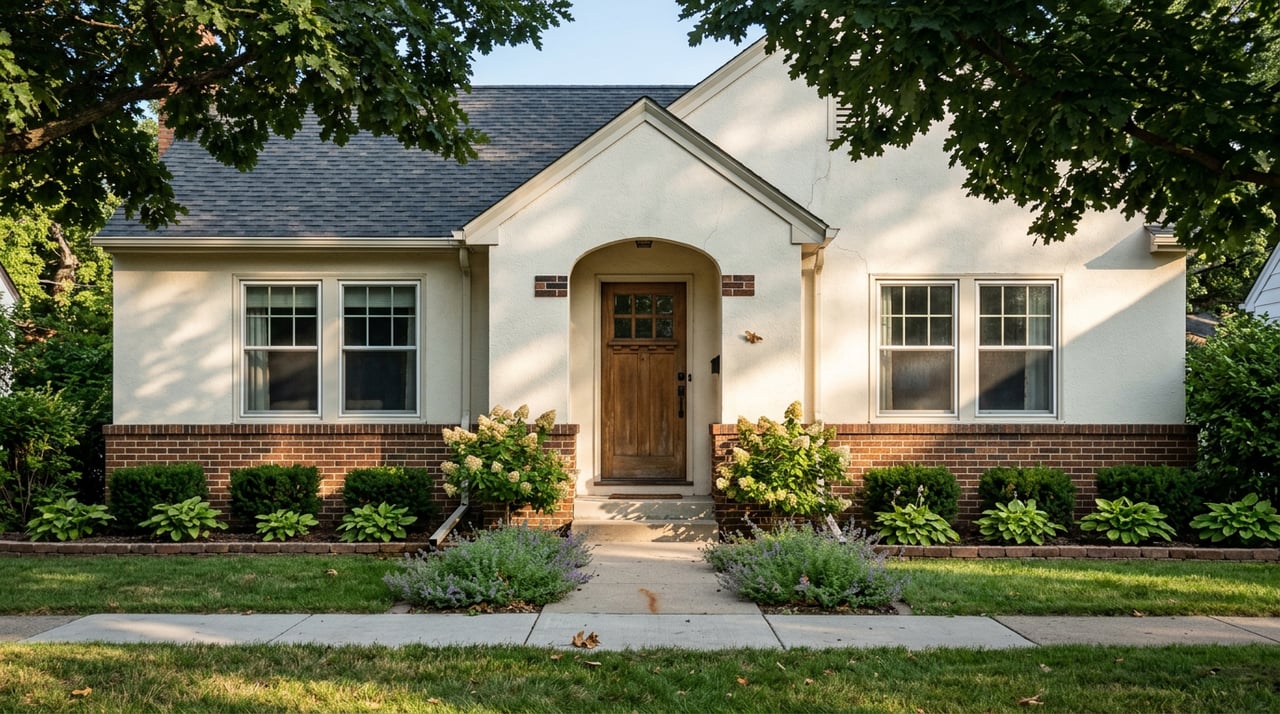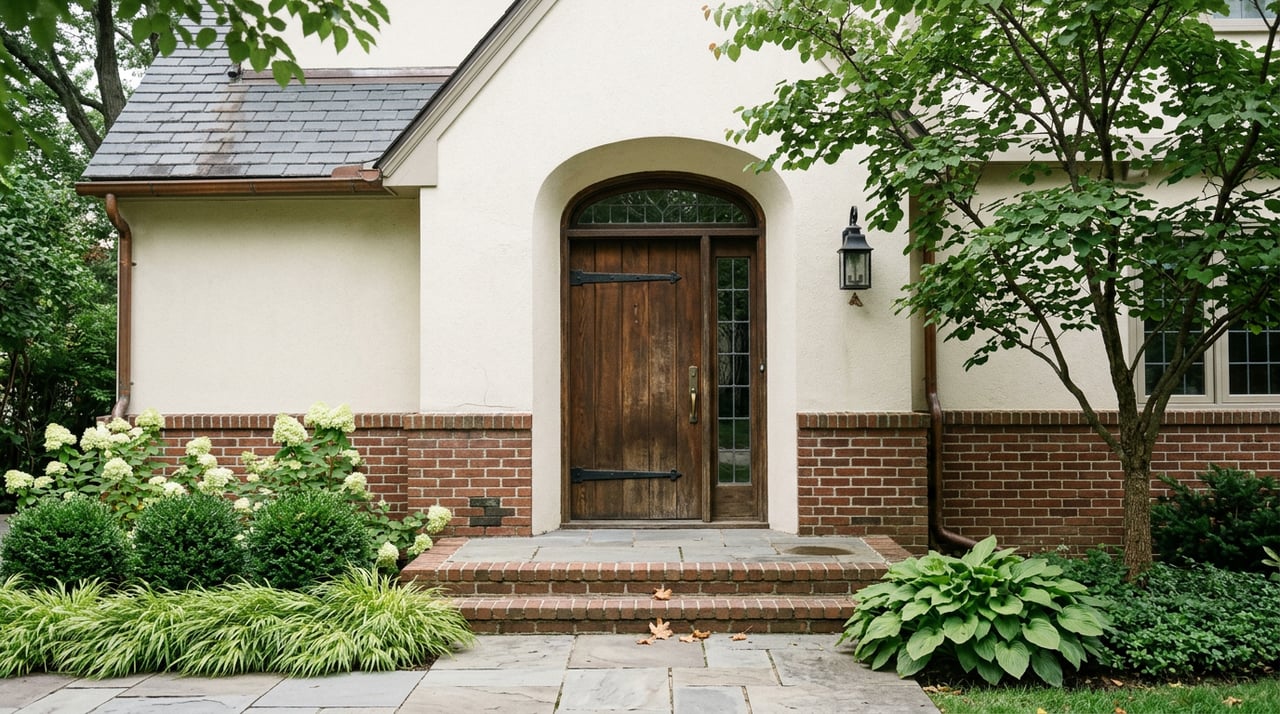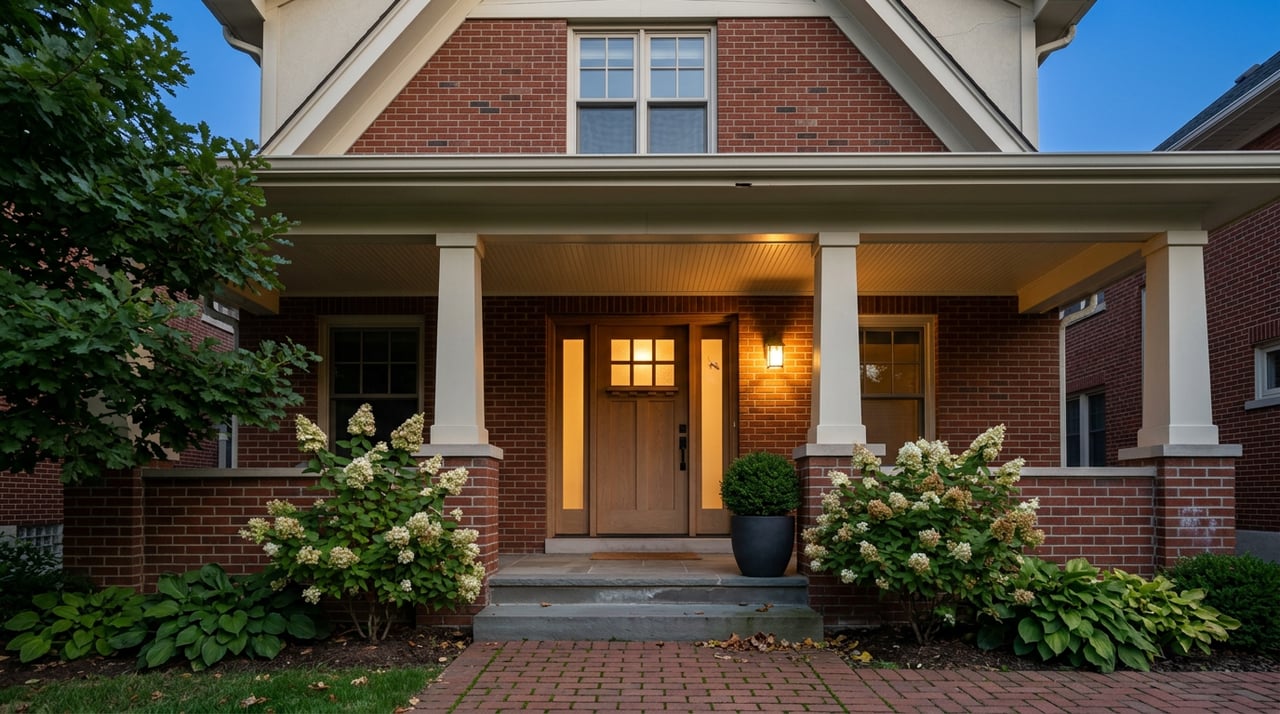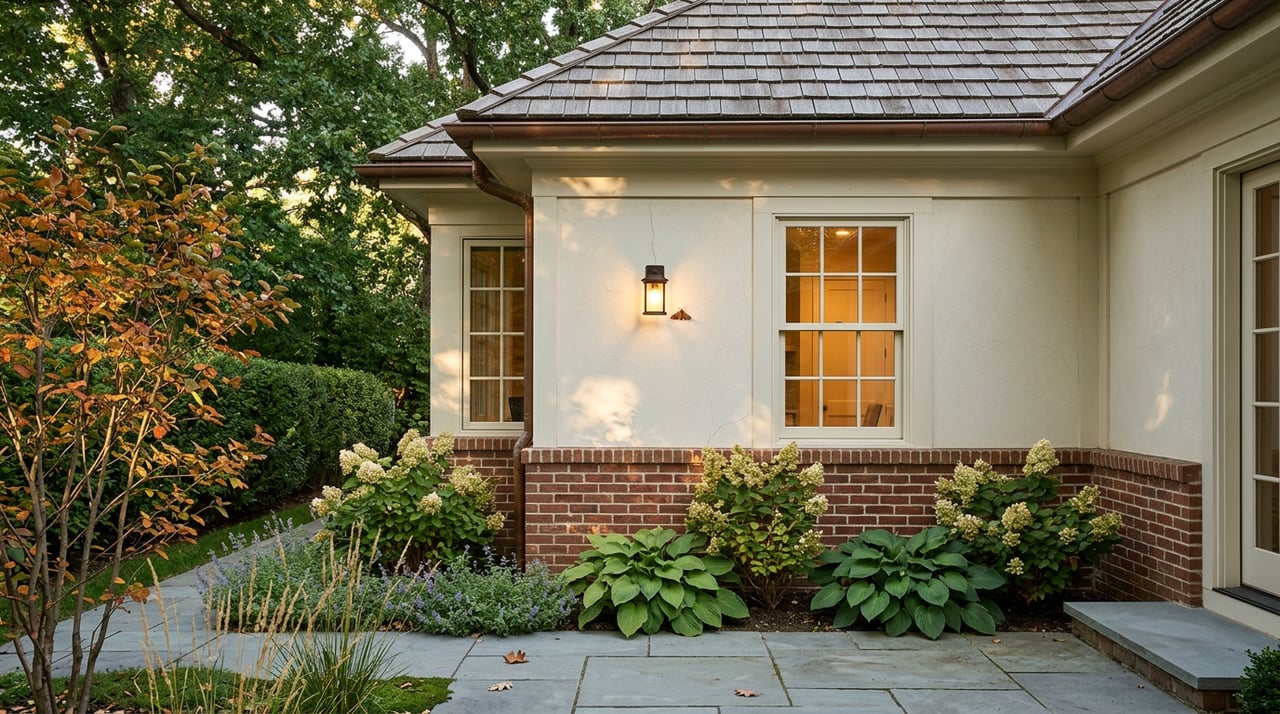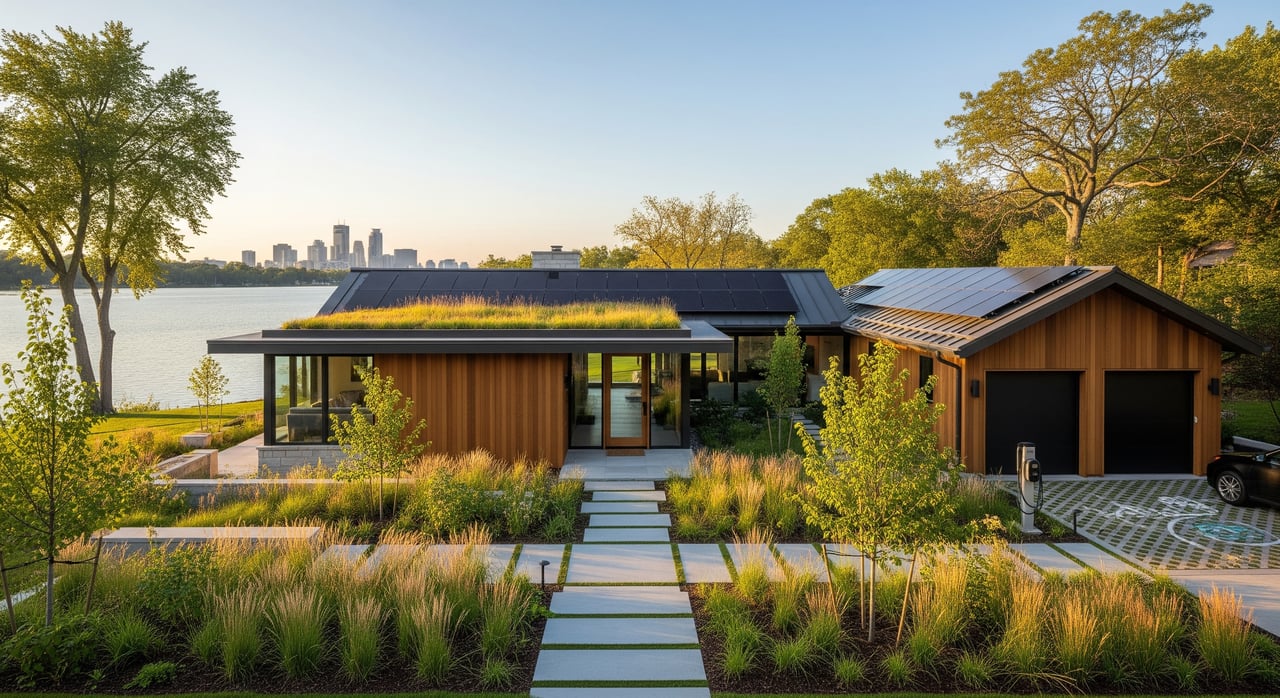
Thinking about upgrading your West Maka Ska home and wondering what will actually move the needle on comfort, bills, and resale? You’re not alone. In a cold-climate market like Minneapolis, the right green improvements can feel better the day you install them and look great in photos when you list. In this guide, you’ll learn which upgrades deliver the highest impact near the lakes, how to document them for appraisers, and the best way to market them to today’s eco-minded buyers. Let’s dive in.
Why Upgrades Matter in West Maka Ska
Minneapolis winters are long and cold, and West Maka Ska homes often span older bungalows to design-forward remodels. That means insulation, airtightness, and cold-climate heat pump technology carry outsized value. When you reduce drafts and improve ventilation, you’ll notice comfort gains quickly, which shows up in buyer walk-throughs.
Buyers near the lakes tend to value outdoor living, clean design, and visible sustainability features. Think modern windows with sleek lines, quiet high-efficiency mechanicals, and EV-ready garages. They also respond to documented savings, good indoor air quality, and proof the work was permitted and done to a high standard.
Priority Green Upgrades
Envelope: insulation and sealing
If you do one thing in a cold climate, start with the envelope. Upgrading attic insulation to roughly R-49 or higher, plus thorough air sealing, cuts heating demand and reduces condensation risk. In older homes, dense-pack cellulose in walls and insulated basement walls can make floors warmer and rooms feel more even.
Focus your air sealing on rim joists, attic penetrations, and window pockets for high-impact results. Combine air sealing with insulation for the best performance. Typical costs can range from about $2,000 to $10,000 for attic air sealing and insulation, and $3,000 to $10,000 or more for wall dense-pack depending on scope.
Windows and doors
Windows carry big visual weight in West Maka Ska, especially where lake views matter. ENERGY STAR windows rated for the Northern climate lower drafts and elevate the look of your home. In very cold spots or for noise control, consider triple-pane in key rooms.
If budget is tight, prioritize high-visibility areas first, like lake-facing living and dining rooms. Proper flashing and air sealing at install are essential to avoid water issues. Whole-home window projects often run from $8,000 to $25,000 or more depending on quantity and specs.
Heating and cooling
Heating is your largest energy load in Minneapolis, so efficient systems resonate with buyers. Cold-climate air-source heat pumps can heat and cool efficiently here and can either supplement or replace an existing furnace. Some homes benefit from a hybrid system that pairs a heat pump with a gas furnace for different temperature ranges.
Balanced ventilation is equally important once you tighten the envelope. An ERV or HRV maintains indoor air quality and recovers heat in winter. For hot water, a heat-pump water heater can lower energy use. Typical costs: a single-zone mini-split is about $3,000 to $7,000 installed; a whole-home ducted cold-climate heat pump can range from $10,000 to $30,000; ERV/HRV systems often land around $1,500 to $5,000.
EV readiness and electrical
EV adoption is growing around the lakes, and many move-up buyers expect Level 2 charging or at least readiness. At minimum, running conduit or installing a 240V outlet on a dedicated 40A circuit sets you up well. The best approach is a hardwired Level 2 charger with proper permitting and GFCI protection.
If your panel is full, a service or panel upgrade may be needed, especially if you plan to add a heat pump or solar. Typical costs can range from $300 to $900 for a 240V outlet or conduit, $800 to $2,500 for a hardwired charger depending on distance and panel work, and several thousand dollars for a panel upgrade.
Solar and storage
Solar is a visible sustainability credential and can pair nicely with heat pumps. Make sure your roof is in good shape and not heavily shaded. A typical 6–8 kW system can run from about $15,000 to $30,000 before incentives, and battery storage may add $8,000 to $20,000 depending on size.
Document projected annual production, ownership status, and warranties. Owned systems tend to show better in appraisals than leased systems when you can verify production.
Healthy materials and IAQ
An ERV or HRV helps keep the air fresh after you tighten a home, while upgraded filtration is a plus for sensitive buyers. Low-VOC finishes and durable, easy-to-maintain surfaces can be highlighted in listing materials. Low-flow fixtures are a simple, visible win that lower operating costs.
Appraisals, Permits, Incentives
What boosts appraised value
Energy upgrades tend to translate into appraised value when you can back them up with data. Appraisers rely on comparable sales, so your improvements stand out most when recent comps include similar features. Documentation of reduced operating costs or improved condition, like a better-insulated basement that feels usable year-round, also helps.
Aim to provide a tight package: invoices, permits, energy audits, and utility history where available. The more you quantify, the easier it is for an appraiser to reflect your upgrades in value.
Listing documentation checklist
- Copies of permits and final inspections
- Contractor invoices, warranties, and product spec sheets
- Pre and post energy audit or modeled savings estimate
- 12–24 months of utility bills to show a baseline and improvements
- Any rebate or tax credit paperwork, plus ownership details for solar
Permits and professionals
Major mechanical, electrical, structural, and some envelope projects typically require City of Minneapolis permits and inspections. Expect permits for heat pumps, electrical work, and ventilation systems, and for window replacements if you alter openings. Hire licensed contractors experienced in cold-climate installs and local code compliance.
Keep your final sign-offs organized, since buyers and lenders often request them during due diligence. These documents also add credibility to your MLS remarks and property binder.
Incentive landscape
Utility rebates, local programs, and federal tax credits can lower net costs for heat pumps, insulation, air sealing, and solar. In Minneapolis, Xcel Energy programs and local nonprofit resources can support assessments and financing options. Federal incentives under recent legislation may apply to clean energy and efficiency improvements, subject to eligibility.
Program details change, so confirm current offerings with utilities and program administrators. For tax credits, consult current IRS guidance and a qualified tax professional before you finalize your plan.
Marketing and Photos
Photos that sell near the lakes
Show the comfort and design story. Capture bright, crisp shots of upgraded windows framing green space or the lake. Include tasteful images of heat pump indoor heads or a discreet outdoor condenser if placement is clean, and always show the EV charger in the garage.
Stage for comfort cues. Cozy seating near large windows and healthy-house hints like plants help buyers feel the difference. A neat mechanical room with labeled equipment shows care and quality.
Messaging that resonates
Lead with benefits buyers can feel: quieter rooms, even temperatures, cleaner air, and lower utility bills. Quantify where possible by sharing modeled savings or utility comparisons. Pair the efficiency story with design-forward details so buyers get both beauty and performance.
When your MLS allows, add a concise “Green features” bullet list highlighting your top upgrades and key specs. Be sure to note ratings for windows and heat pumps, ventilation type, EV readiness, and solar production if applicable.
One-page performance summary
Create a simple sheet for showings and appraisals. Include:
- Summary of upgrades with installation dates
- Equipment ratings and model numbers
- Contractor contacts and warranty terms
- Any energy scores and expected savings
- Permit numbers and inspection sign-offs
Seller Decision Paths
Budget-conscious package
- Air sealing plus attic insulation and rim-joist work
- Duct sealing and a basic ERV or HRV if budget allows
- Conduit to the garage or a 240V outlet for future EV charging
Why it works: You get meaningful comfort and savings for a modest cost, and you can market visible, documented improvements.
Mid-range package
- Targeted window replacements in high-visibility rooms, ENERGY STAR Northern-rated with low U-factor
- Whole-home cold-climate heat pump if replacing an aging furnace, or mini-splits in key zones
- ERV or HRV upgrade and a heat-pump water heater as needed
Why it works: Photogenic windows plus operational savings and seasonal comfort deliver strong buyer appeal in West Maka Ska.
Premium package
- Full envelope upgrade as needed, with continuous exterior insulation during siding replacement plus triple-pane windows in primary living areas
- Ducted cold-climate heat pump or geothermal system
- Owned rooftop solar sized to household loads, with optional battery backup
- Hardwired Level 2 EV charger and panel upgrade if required
Why it works: You combine peak performance with turnkey sustainability, ideal for buyers seeking an elevated lakeside lifestyle.
Getting Started
Begin with a professional home energy assessment to identify the highest-impact steps for your home. Then gather two or three local quotes for each scope item and confirm any available utility rebates or financing programs. Plan your permits and inspections early to keep timelines smooth.
As you complete work, save every invoice, permit, warranty, and spec sheet. This documentation will help you capture value in your appraisal and position your home above nearby listings when you hit the market.
Ready to prioritize the right upgrades and present them with polished, boutique marketing backed by a nationally recognized brand? Partner with a team that blends neighborhood expertise with Coldwell Banker reach. Contact David K Wells III Real Estate to align your upgrade plan with your sale strategy in West Maka Ska.
FAQs
Which green upgrades add the most value in West Maka Ska?
- Envelope improvements, ENERGY STAR windows in key rooms, and cold-climate heat pumps tend to deliver strong comfort gains and broad buyer appeal when well documented.
How do Minneapolis permits affect a heat pump or window timeline?
- Mechanical and electrical work typically require permits, and window projects may if openings change, so build in time for inspections and final sign-offs.
Are rebates or tax credits available for heat pumps and insulation?
- Programs are available through utilities, local organizations, and federal incentives, but amounts and eligibility change, so confirm details and consult a tax professional.
Do I need solar to market a lakes-area home as sustainable?
- Solar is a visible credential, but strong envelope upgrades, efficient mechanicals, ventilation, and EV readiness can also position your home as a high-performance listing.
How should I document upgrades for buyers and appraisers?
- Provide permits, invoices, spec sheets, energy audits, utility history, and any incentive paperwork in a simple packet to support value and answer due diligence questions.