Buying a downtown condo should feel exciting, not overwhelming. Yet many buyers find themselves juggling building rules, parking questions, and HOA documents they have never seen before. You deserve clear guidance and a calm process that matches your lifestyle and budget. In this guide, you will learn what to look for in Central Minneapolis condos and lofts, how to weigh tradeoffs, and how a boutique, building-level approach can help you buy with confidence. Let’s dive in.
Why work with a condo expert
Buying a condo is different from buying a single-family home. You are choosing both a home and a building with its own finances, rules, and long-term maintenance plan. A condo expert helps you read between the lines on HOA budgets, reserves, and assessments, then matches those findings to your risk tolerance.
You also need building-level comps, not just neighborhood averages. Floor plans, views, parking, and owner-occupancy can swing value and financing. With the right advisor, you can avoid surprises and focus on the few buildings that truly fit your needs.
Neighborhoods and building styles
Downtown Minneapolis is not one-size-fits-all. Each submarket offers a different feel and product mix. Your shortlist should reflect what you value most day to day.
Central business district towers
You will find newer high-rises with modern finishes and full amenities. Think fitness rooms, secured entry, and often a doorman or concierge. HOA reserves and governance vary by building, so document review is essential. These properties tend to be close to employers, dining, and transit.
North Loop warehouse lofts
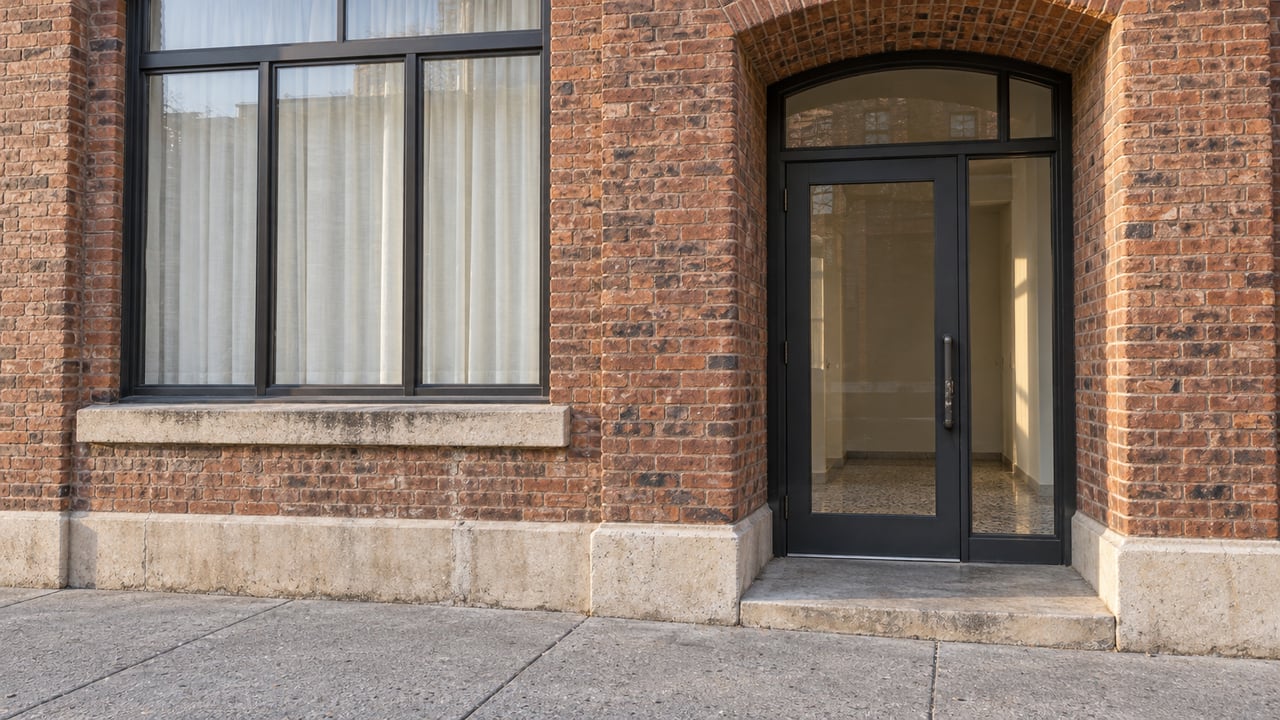
This area features historic warehouse conversions and new builds. Loft conversions bring character like exposed brick, tall ceilings, and oversized windows. They can also come with unique maintenance needs such as façade work, window replacements, and fire-safety upgrades. If you love authenticity and open layouts, plan extra due diligence on building systems.
Elliot Park and Loring Park
These edges of downtown offer a mix of older mid-rises and newer towers. You may find value in buildings with fewer amenities and more modest dues. Still, review reserves, upcoming projects, and rental policies before you fall in love with a floor plan.
Amenities, parking, and tradeoffs
Amenities shape both your lifestyle and your monthly HOA dues. Common features include secured entry, fitness rooms, rooftop decks, guest suites, bike storage, and assigned parking.
- Full-service amenities can increase dues and assessment risk.
- Deeded parking is a top value driver downtown. Lack of owned parking can limit future resale appeal.
- Storage and private outdoor space are scarce and often command a premium.
- Mixed-use buildings add convenience through nearby retail, yet can bring noise or delivery traffic to manage.
HOA documents to review
Clear HOA health is the foundation of a smart condo purchase. Ask for documents early so you can gauge risk and negotiate with facts.
What to request
- Current HOA budget and recent financial statements
- Reserve study and funding policy
- Board meeting minutes from the last 6 to 12 months
- Bylaws, declaration, and building rules
- Rental and short-term rental policies
- Master insurance policy and coverage details
- Owner roster and owner-occupancy percentage
- Special assessment history and planned capital projects
- Any current litigation or pending claims
Red flags to watch
- Low or no reserves, or frequent past special assessments
- High rental percentage that could limit financing or resale demand
- Litigation or major deferred capital needs
- Insurance gaps between the master policy and your HO-6 responsibility
Financing that fits your building
Lenders evaluate the unit and the condo project. Owner-occupancy, reserves, and litigation can affect your loan options or down payment. FHA or VA loans require building approval, which is not universal and can add time if approval is needed.
Conventional loans are common for downtown condos. Appraisals can be tricky for unique lofts or nonstandard floor plans. Prepare for possible appraisal gaps and talk with a lender that regularly finances Minneapolis condo projects. Prechecking the building with your lender can prevent delays later.
Inspection focus in condos and lofts
A strong inspection looks at both your unit and the building’s shared systems. Use an inspector experienced with condos and older conversions.
- Unit items: windows and doors, balcony or terrace condition, plumbing and HVAC, electrical capacity, signs of water intrusion or mold, floor or ceiling cracks.
- Building systems: roof, elevators, façade and brickwork, mechanical systems, sprinklers, parking structure condition and membrane, and any common-area water issues.
- Older loft conversions: confirm code-compliant egress, sprinkler retrofits, and whether historic restrictions affect renovations.
Resale value drivers downtown
Your future buyer will care about the same factors you weigh today. Focus on the drivers that hold value through market cycles.
- Parking: deeded covered parking ranks high for convenience and resale.
- Unit features: private outdoor space, storage, smart kitchen or bath updates, and usable floor plans.
- Building health: strong reserves, low assessment history, professional management, and high owner-occupancy.
- Location: proximity to transit, employers, dining, cultural venues, and green space.
- Recent building improvements: roof, windows, HVAC, or elevator upgrades support long-term confidence.
Relocation support done right
If you are moving for work, you need fast clarity and smooth logistics. Building-level insight helps you compare commute options, parking, and nearby amenities. Rental rules and furnished options can matter if you need a short bridge before closing.
Your agent should offer neighborhood orientation, connect you with condo-experienced lenders and inspectors, and coordinate move-in policies such as elevator reservations. The result is a process that fits your timeline without unnecessary stress.
Your first consult: what to expect
A focused consult saves you time. Together we translate your wish list into a clear building shortlist and a plan to win the right unit.
- Define must-haves: parking, storage, pet rules, in-unit laundry, floor level, view, and walkability.
- Align financing early with a condo-experienced lender, including FHA or VA needs if relevant.
- Build a 3 to 6 building shortlist with up-to-date intel on reserves, assessments, owner-occupancy, rental rules, and parking.
- Map tours and inspection strategy for both the unit and the building systems.
- Review HOA documents with your agent and, if needed, a condo attorney before finalizing your offer.
Ready to start?
Work with a boutique team that pairs hands-on service with the reach of Coldwell Banker. Our approach is calm, thorough, and building-specific, from curated tours to HOA analysis and negotiation strategy. Schedule a consult to align your wish list, budget, and a targeted shortlist of downtown buildings that fit the way you live.
Contact David K Wells III Real Estate to discuss your next move.
FAQs
What should I prioritize when buying a downtown Minneapolis condo?
- Focus on deeded parking, building reserves and assessment history, and a floor plan that fits your daily life.
How do HOA reserves affect my purchase decision?
- Strong reserves reduce the risk of future special assessments and support stable monthly dues over time.
Can I use an FHA or VA loan for a condo downtown?
- Possibly, but confirm the building’s approval status early since it can affect timing and loan options.
What extra due diligence do loft conversions need?
- Check window and façade condition, sprinkler and egress upgrades, and any historic restrictions on renovations.
Why does owner-occupancy matter to buyers and lenders?
- Higher owner-occupancy can support financing availability, community stability, and future resale appeal.
What documents should I review before making an offer?
- Ask for the budget, reserves, board minutes, bylaws, rental policies, insurance, owner roster, assessment history, and any litigation details.